Medically reviewed by Hootan Mohsenian, MSc — Advanced Practitioner in Echocardiography (BSE-accredited) —
Heart palpitations are the sensation that your heart is racing, fluttering, pounding, or skipping a beat. While often harmless and linked to stress or caffeine, they can sometimes indicate an underlying rhythm or structural issue that requires clinical assessment. Understanding when to seek reassurance and when to get tested is the first step toward peace of mind.
Experiencing a sudden change in your heartbeat can be deeply unsettling. Whether it happens while you are resting on the sofa, trying to sleep, or during a busy workday, the physical sensation often triggers anxiety, which can make the palpitations feel even worse. It is a very common experience, and validating that concern is important—your heart is your most vital organ, and it is natural to want to ensure it is functioning correctly.
At Sonoworld in London, our specialist team provides fast, non-invasive cardiac assessments, including ECG (Electrocardiogram), Holter monitoring, and Echocardiogram ultrasound scans. Operating from our CQC-registered clinic near Harley Street, we offer same-day appointments and clear, actionable reports to help you understand your symptoms without the long wait.
What Are Heart Palpitations?
Heart palpitations refer to a heightened awareness of your own heartbeat. Clinically, this can manifest as a rapid heart rate (tachycardia), an irregular rhythm (arrhythmia), or the feeling of extra or missed beats (ectopic beats). Unlike a normal resting heart rate, which operates quietly in the background, palpitations force your attention to your chest, throat, or neck.
It is crucial to differentiate between palpitations caused by external triggers—such as lifestyle factors or temporary emotional states—and those originating from a primary cardiac issue. According to the British Heart Foundation, while many palpitations are benign, they should be investigated if they are frequent, prolonged, or accompanied by other concerning symptoms.
Common Causes and Triggers
The mechanisms behind heart palpitations vary widely. They can be broadly categorised into lifestyle triggers, psychological factors, and medical or cardiac conditions.
Lifestyle and Environmental Triggers
Many people experience palpitations due to everyday stimulants. High caffeine intake from coffee or energy drinks, alcohol consumption, nicotine, and certain recreational drugs can overstimulate the nervous system, leading to a racing heart. Additionally, intense physical exertion or dehydration can temporarily alter your heart's rhythm.
Psychological Factors
The mind-body connection plays a significant role in heart rate regulation. Acute stress, anxiety, and panic attacks trigger the release of adrenaline, which naturally accelerates the heart rate. In these instances, the palpitations are a physiological response to an emotional state rather than a structural heart defect.
Medical and Cardiac Causes
Underlying health conditions can also be the root cause. Thyroid overactivity (hyperthyroidism), anaemia, low blood sugar, and hormonal changes during pregnancy or menopause are known contributors. More specifically, cardiac issues such as atrial fibrillation (AFib), supraventricular tachycardia (SVT), or structural problems like heart valve disease require careful diagnostic evaluation.
When to Seek Urgent Medical Attention
While many palpitations are harmless, certain "red flag" symptoms require immediate emergency care. You should attend A&E or call 999 if your palpitations are accompanied by:
Severe or crushing chest pain
Sudden, severe breathlessness at rest
Dizziness, light-headedness, or fainting (syncope)
New neurological symptoms, such as confusion or weakness
A private diagnostic clinic is designed for planned assessment and clarification, not for managing acute medical emergencies.
Assessment and Diagnosis: Choosing the Right Test
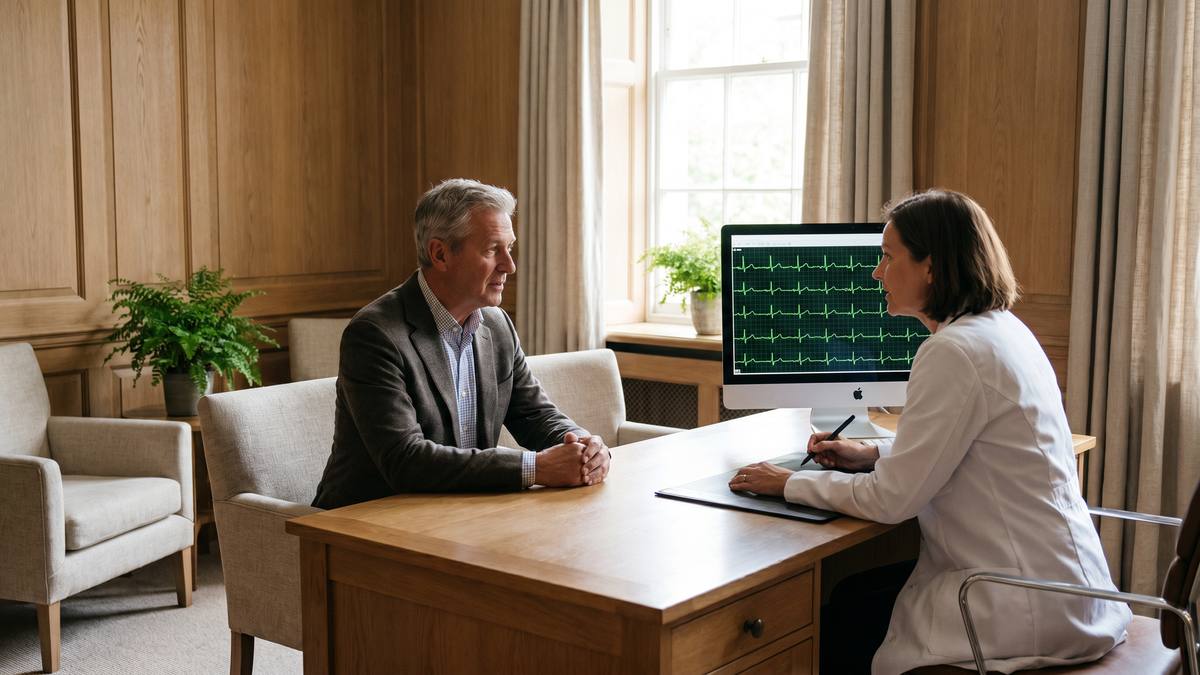
If your palpitations are not an emergency but are causing concern, the next step is a clinical assessment. The choice of test depends heavily on the timing and nature of your symptoms. At Sonoworld, we use three primary diagnostic tools to investigate heart palpitations.
1. ECG (Electrocardiogram)
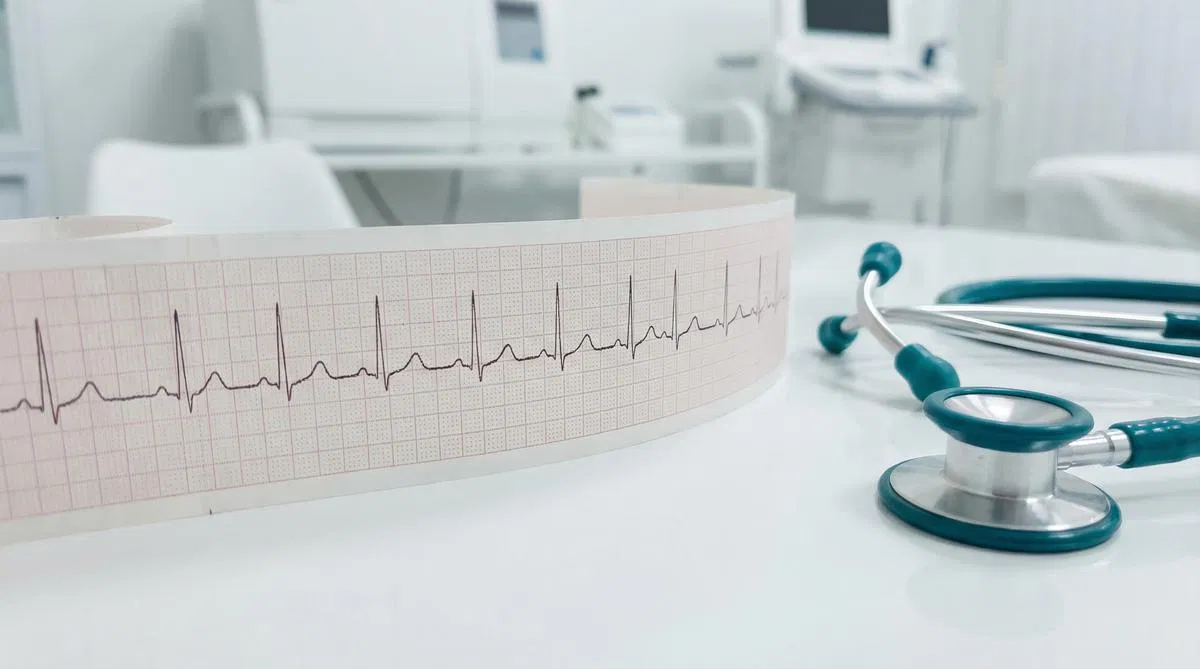
An ECG is a quick, non-invasive test that records the electrical activity of your heart using small skin electrodes. It provides a "rhythm snapshot" and is highly effective if you are experiencing symptoms at the exact moment of the test. It can identify conduction issues, rhythm problems like AFib, and clues of past strain.
2. Holter Monitor (Ambulatory ECG)
Because palpitations often come and go, a short clinic ECG might miss the event. A Holter monitor is a portable device worn for 24 to 48 hours (or longer) that continuously records your heart's electrical activity as you go about your normal life. It is the gold standard for capturing intermittent symptoms, allowing clinicians to correlate your feeling of a flutter with the actual rhythm data recorded at that exact time.
3. Echocardiogram (Heart Ultrasound Scan)
If there is a concern that your palpitations might be linked to a structural issue—such as a heart murmur, suspected valve disease, or reduced pumping function—an Echocardiogram is required. This specialised ultrasound scan uses high-frequency sound waves to create real-time moving images of the heart chambers, valves, and blood flow. It does not measure electrical rhythm directly, but it provides vital information about the heart's physical health.
Which Test Do I Need?
Choosing the right test can be confusing, but it generally comes down to the timing of your symptoms and the specific clinical question:
Test
What It Measures
Best For
ECG
Electrical activity (snapshot)
Symptoms happening right now; baseline rhythm checks.
Holter Monitor
Electrical activity over time
Intermittent symptoms; palpitations that "come and go" or happen at night.
Echocardiogram
Heart structure and pumping function
Checking valves, chambers, and investigating murmurs or breathlessness.
For a more detailed comparison, you can read our comprehensive guide on ECG vs Holter Monitoring.
What to Expect at Your Appointment
At Sonoworld, we prioritise your comfort and peace of mind. For an ECG or Holter fitting, the process is painless and involves placing small adhesive electrodes on your chest. For an echocardiogram, you will lie comfortably while a sonographer applies warm gel and uses an ultrasound probe to capture images of your heart.
Following your test, you will receive a clear, written report detailing the findings. We ensure that the results are explained in plain English, guiding you on the most appropriate next steps—whether that is simple reassurance, lifestyle adjustments, or a referral to a cardiologist for further management.
Booking Your Heart Assessment
Do not let uncertainty about your heart rhythm cause unnecessary anxiety. If you are experiencing palpitations and want fast, professional clarity, our team is here to help.
You can book your appointment online or call our clinic directly on 020 3633 4902 to discuss which test is most appropriate for your symptoms. Our experienced sonographers and clinical team are dedicated to providing high-quality diagnostic care when you need it most.