
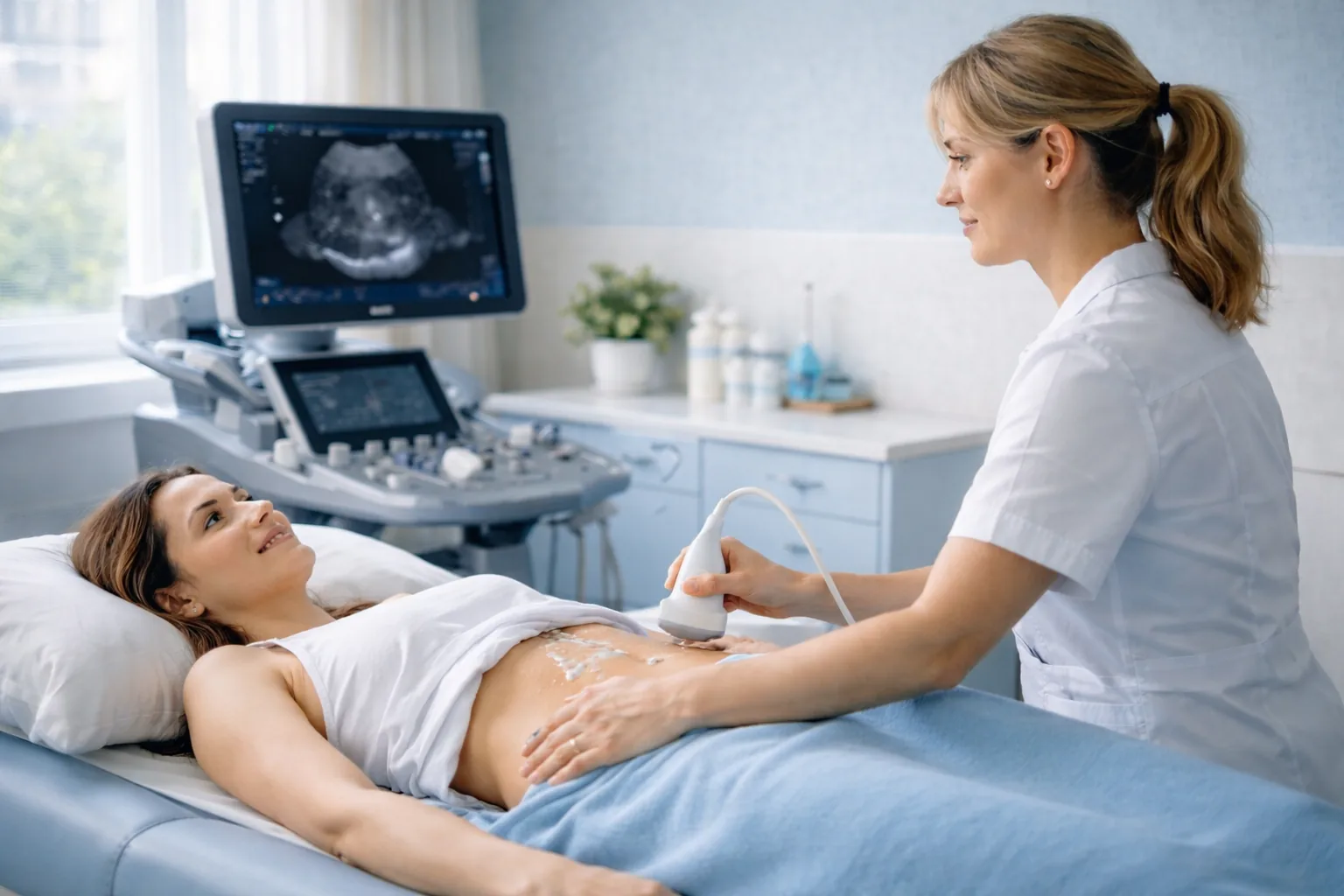
Screening package
Full Body Scan (Women)
Comprehensive ultrasound screening package for reassurance and preventative focus (package-based).
Fast-access scans for reassurance, symptom investigation and screening, delivered with clear reporting and next-step guidance. Located at 29 Weymouth Street (off Harley Street), W1G. Women's health imaging is one part of the full range of scans at Sonoworld's private ultrasound clinic in London.
20% off with code SONO26 · new bookings
Not sure which scan you need? Call 020 3633 4902 and we’ll guide you, or start with our symptom guides below.
Ultrasound is a first-line, non-invasive way to assess many symptoms and concerns, without radiation. Depending on what you’re investigating, we may focus on pelvic organs, breast tissue, abdominal organs, urinary tract, thyroid/neck, or superficial lumps.
Choose the scan that best matches your concern (or what your clinician suggested). If you’re unsure, start with the symptom guides below, or call and we’ll help you choose.
Comprehensive ultrasound screening package for reassurance and preventative focus (package-based).

Preventative scan package designed around common women’s health priorities, with clear reporting and guidance.
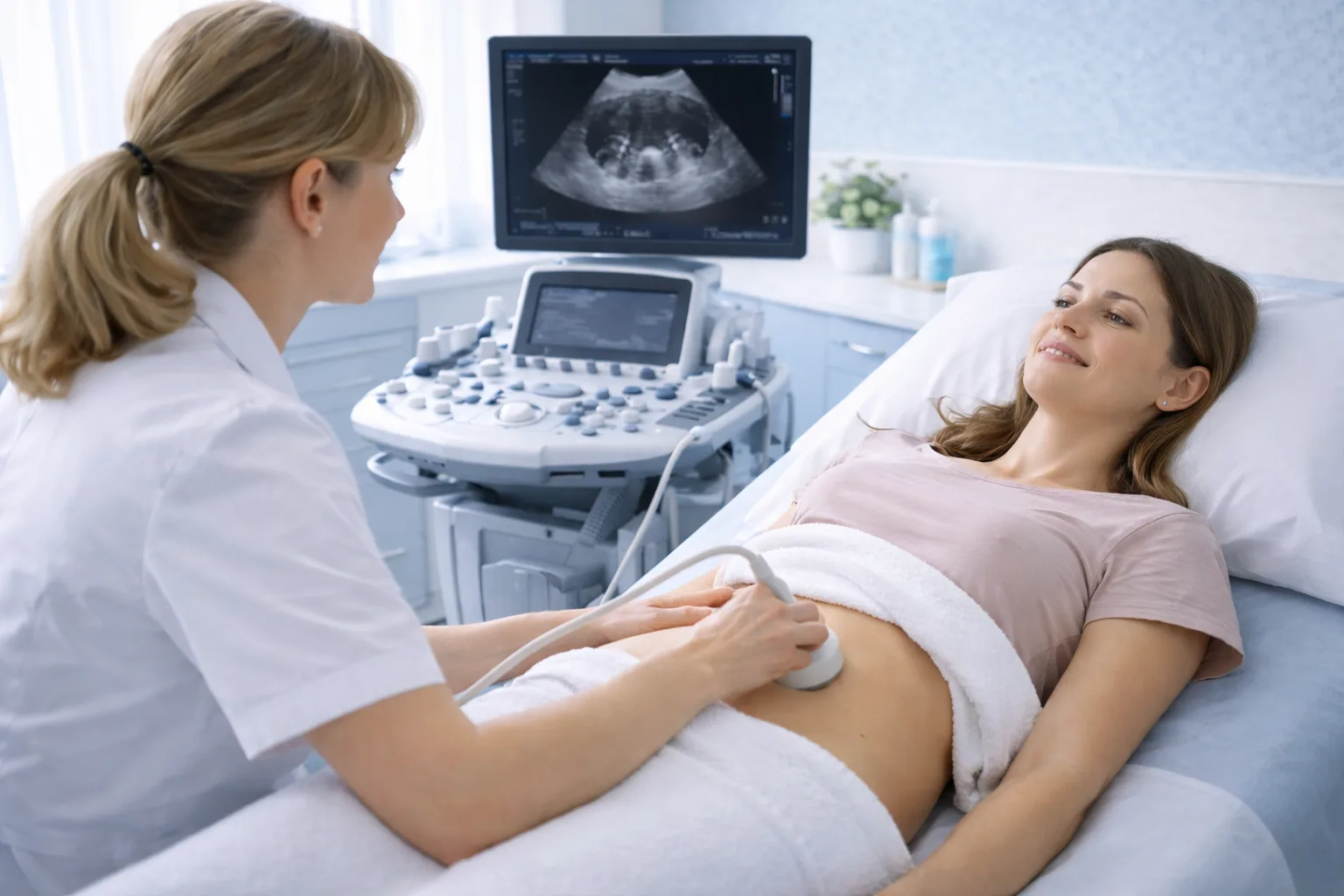
Combined assessment that may include abdominal organs (e.g. liver, gallbladder, kidneys) and pelvic organs.
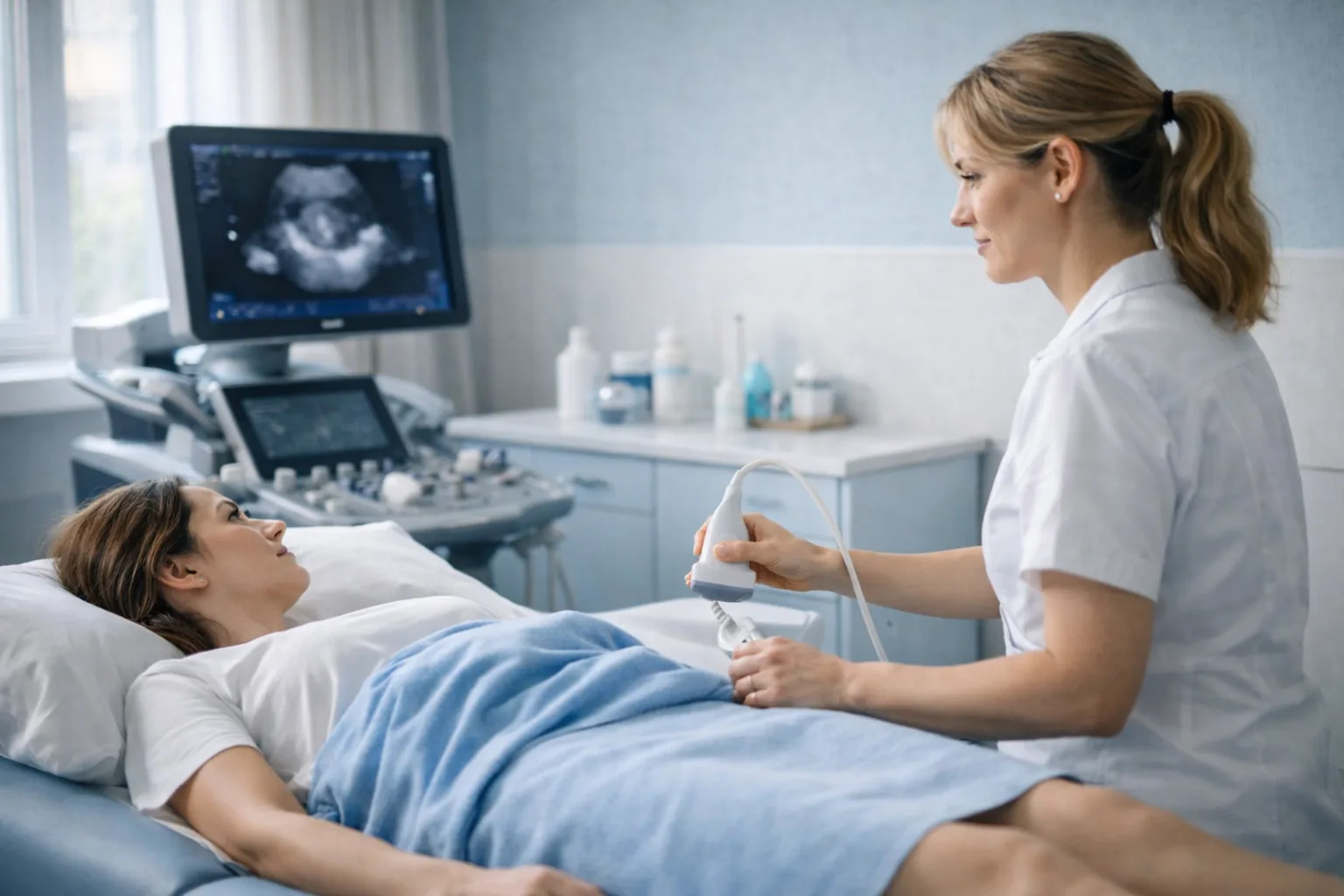
Focused assessment of pelvic organs (e.g. uterus and ovaries) for symptoms or follow-up: transabdominal and transvaginal where appropriate.
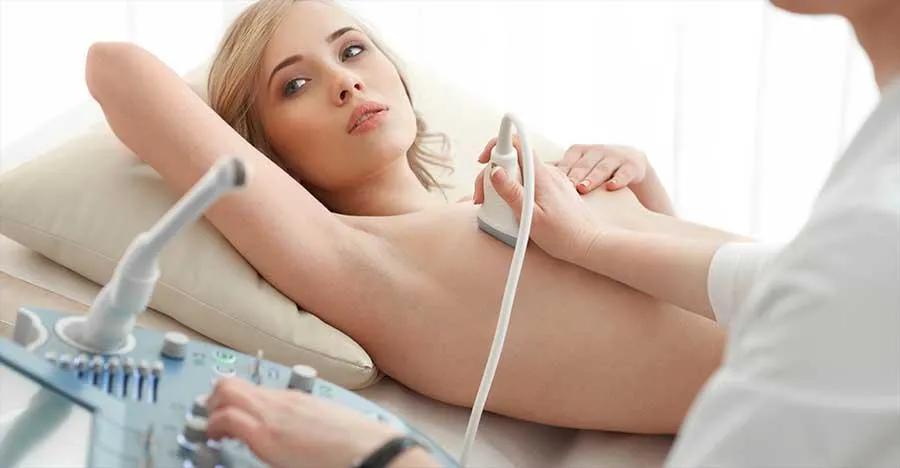
Assessment for breast symptoms such as a lump, focal pain, or changes, performed with respectful clinical framing.
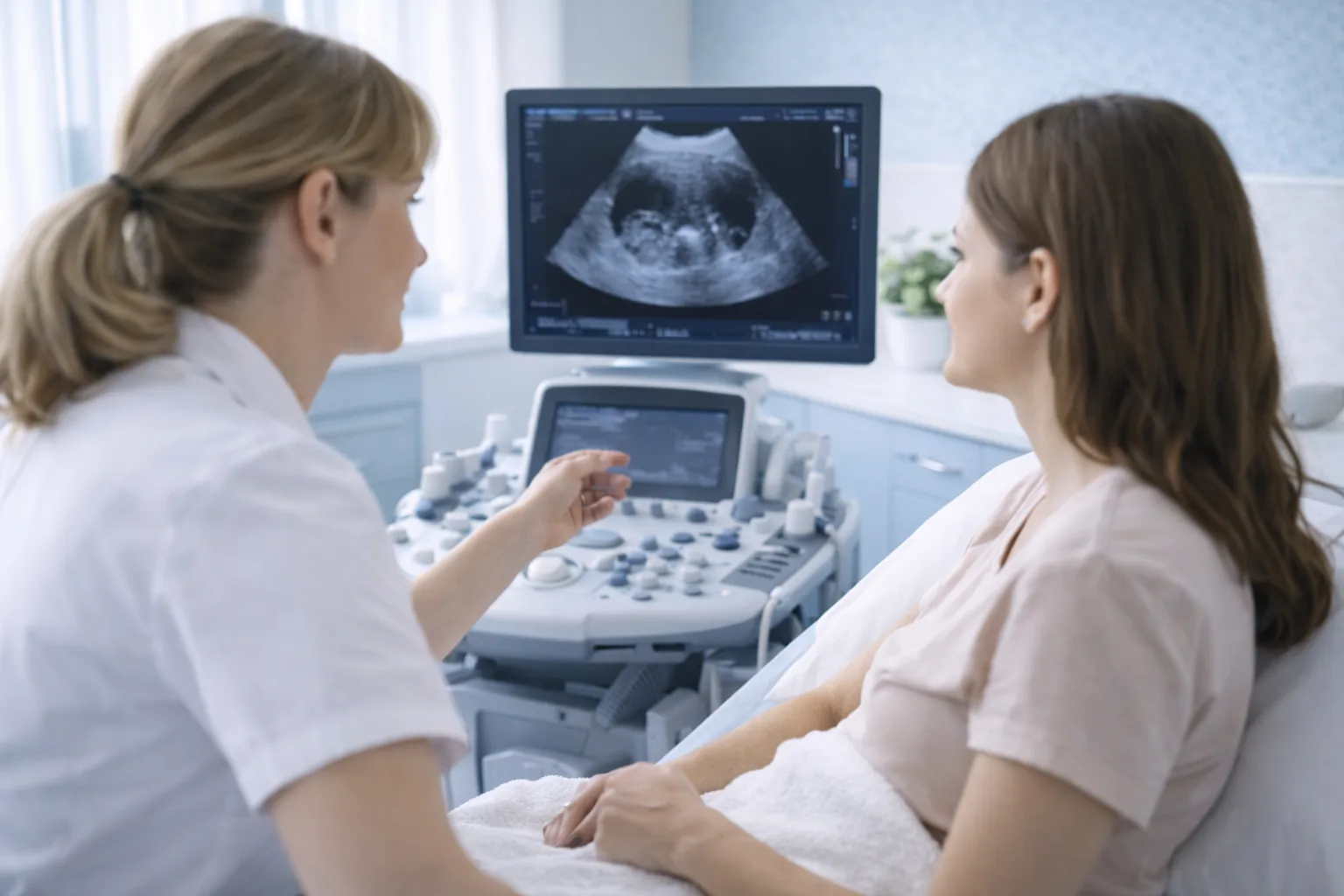
Monitoring ovulation and follicle development as part of fertility planning (timed, repeat visits).
Checks abdominal organs (e.g. liver, gallbladder, pancreas area, spleen, kidneys) depending on your symptoms.

Combined scan focusing on abdominal organs plus urinary tract structures (kidneys and bladder).
Assessment of kidneys and bladder for symptoms such as pain, recurrent infections, or urinary changes.
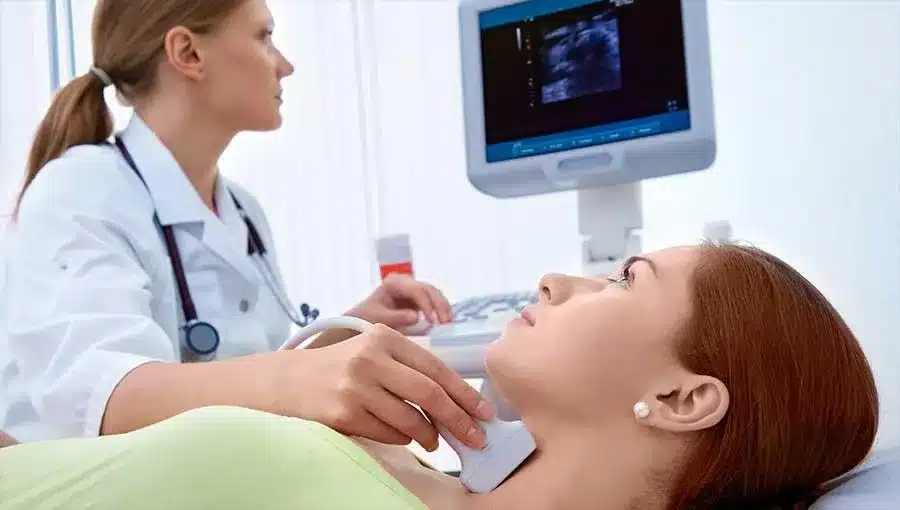
Assessment of thyroid gland and neck structures for lumps, swelling, or follow-up of known findings.
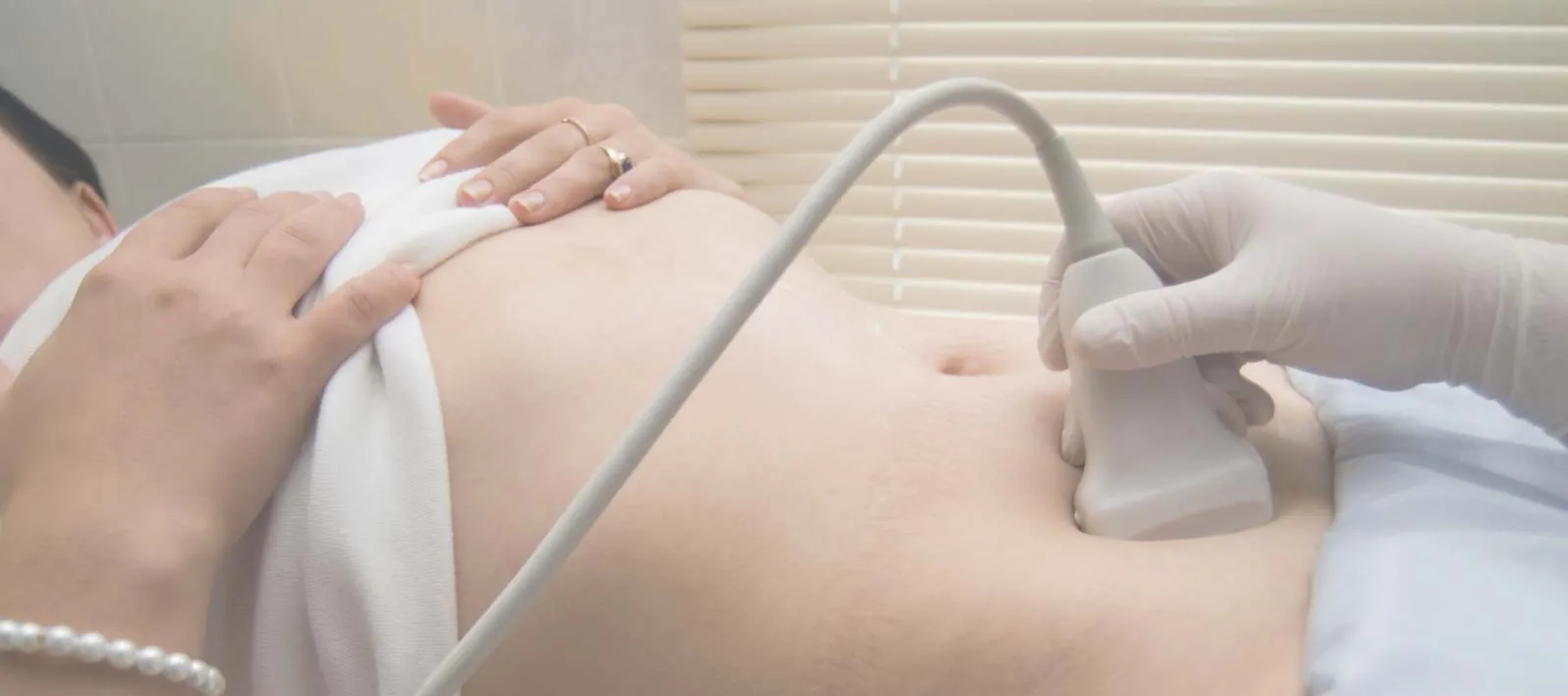
Dynamic assessment for suspected hernia (e.g. groin), often for a lump, discomfort, or exertional symptoms.
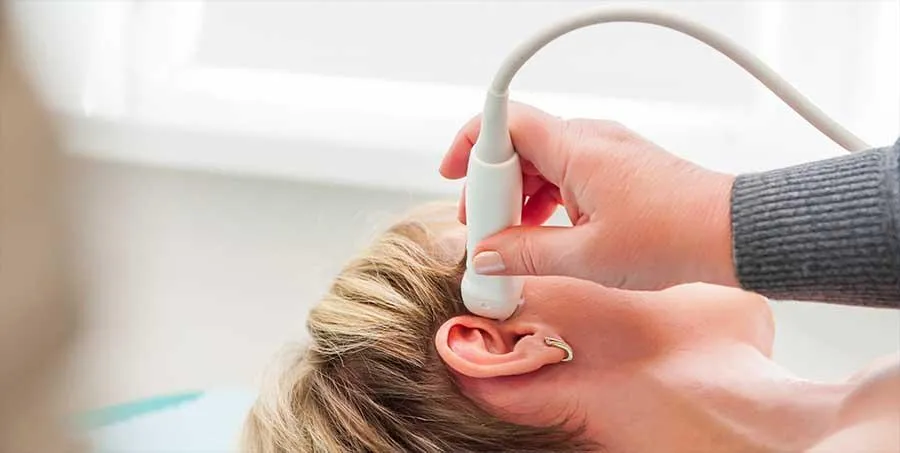
Assessment of superficial lumps (e.g. soft tissue) to help clarify what a palpable lump might represent.
Written by our consultant ultrasound practitioner, these guides explain what your symptom usually means, when it needs checking, and what the scan can, and can’t, tell you. Read first, book when you’re ready.
People book for reassurance, to investigate symptoms, or as part of screening. If you feel acutely unwell, have severe pain, heavy bleeding, or urgent symptoms, seek urgent medical care.
Across twenty years of scanning, Daniela Stan sees the same story at every symptom. Women with pelvic pain typically wait months, sometimes years, before booking. Persistent bloating gets three to six months of diet experiments first. Even bleeding after menopause is often watched for a few weeks before the persistence overrides the denial.
And across all of them, most scans reassure: roughly 70 to 80 per cent of pelvic-pain scans, 80 to 85 per cent of bloating scans, and around 90 per cent of postmenopausal bleeding cases turn out to have no sinister cause. The scan’s job is to tell you which group you are in, early, while every option is open. The guides above share what she tells patients in the room, word for word.
General patterns and figures from our clinic’s caseload, shared by Daniela Stan, Consultant Ultrasound Practitioner. They describe practice as a whole, not any individual patient.
Ultrasound is non-invasive and typically well tolerated. You’ll receive instant verbal results, with a written report within 24 hours and guidance on next steps.
Simple, structured, and designed to answer your question, without unnecessary steps.
Diagnostic women’s health scans start from £235, with screening packages priced separately. Every scan includes instant verbal results, a written report within 24 hours, and your images.
Single-area diagnostic scans from £235; combined and bilateral scans £350; Well Woman package £500; Women’s Full Body £785.
Seven examinations cover women's health at Sonoworld, and several of them overlap. This comparison sets them side by side so you can see what each one looks at, what it costs, how long it takes and how to prepare, before you book.
| Scan | Price | Time | Best for | Preparation |
|---|---|---|---|---|
| Pelvic ultrasound | £235 | 20 to 30 min | Pelvic pain, heavy or irregular bleeding, suspected cysts, fibroids or endometriosis | Full bladder: about a litre of water an hour before |
| Abdomen and pelvis | £350 | 45 min | Pain or bloating that could come from the upper abdomen or the pelvis | Fasting for the upper abdomen plus a full bladder |
| Breast ultrasound | £235 one side, £350 both | 20 to 30 min | A lump, focal pain, nipple discharge or dense breasts; BI-RADS report | None |
| Follicular tracking | £235 per scan, £588 for three | 20 min | Timing ovulation, monitoring an IVF or natural cycle | None; first scan around day 7 to 9 |
| Antral follicle count | £235 | 20 min | Ovarian reserve before egg freezing, IVF or family planning | None; ideally day 2 to 5 of the cycle |
| Well woman scan | £500 | 45 min | A periodic check of pelvis, upper abdomen, urinary tract and aorta | Four-hour fast and a full bladder |
| Women's full body scan | £785 | 60 to 90 min | The widest single-visit check, seven examinations | Fasting and a full bladder |
Choose the pelvic scan when the symptom sits below the navel: period pain that has changed, bleeding between periods or after the menopause, a feeling of pressure, or a suspected cyst or fibroid. It examines the uterus, endometrium and ovaries, usually through the abdomen with a full bladder and, where it adds clarity and you consent, with a transvaginal probe as well. Choose the abdomen and pelvis scan when pain or bloating could equally come from the liver, gallbladder, kidneys or bowel region as from the pelvis. It covers both areas in one 45-minute visit for £350, which is less than booking the two scans separately, and it means one preparation and one report rather than two appointments.
A breast ultrasound is the first-line test for a new lump, pain in one area, nipple discharge or a change you have noticed, and it is the preferred imaging under 40, in pregnancy and while breastfeeding, because dense breast tissue limits what a mammogram can show at that age. Over 40, ultrasound is used alongside mammography rather than instead of it, and your report will say plainly if a mammogram or a specialist referral is also advised. One side is £235; both sides are £350. Every report uses the BI-RADS scale so that a GP or breast clinic can act on it immediately.
The fertility scans answer different questions. Follicular tracking is a series of transvaginal scans across one cycle, starting around day 7 to 9, that shows whether and when you ovulate and measures the lining of the womb; it is the scan to book if you are trying to conceive, have irregular cycles or are being monitored through an IVF cycle. The antral follicle count is a single scan, ideally on day 2 to 5, that counts the resting follicles as a measure of ovarian reserve, which is what egg-freezing and IVF clinics ask for. The AMH blood test (£97) measures reserve from a blood sample on any day of the cycle and can be added to an AFC visit, so the two are often done together.
The well woman scan looks at four areas in about 45 minutes: pelvic organs, upper abdomen, urinary tract and the abdominal aorta. It suits a periodic check when you have no specific symptom. The women's full body scan extends that to seven examinations, adding the breasts and the thyroid and neck among others, in a 60 to 90 minute appointment. If you have one clear symptom, book the single scan for that area instead: it is quicker, cheaper and gives the sonographer more time on the question that matters.
Pelvic, well woman and full body scans need a full bladder, so drink about a litre of water in the hour before and do not empty your bladder on arrival. Any scan that includes the upper abdomen also needs a four-hour fast, water only, so the gallbladder and pancreas can be seen clearly. Breast and fertility scans need no preparation at all. Most appointments are available the same day or next day, and every scan comes with verbal results in the room and a written report with images within 24 hours.
Heavy bleeding with dizziness, sudden severe pelvic pain or a fever alongside pelvic pain need urgent care rather than a booked scan. Use the Scan Advisor, call 020 3633 4902, or book the scan that matches your main symptom: the clinician will tell you on the day if a different examination would answer your question better.
Sonoworld Diagnostic Services, 29 Weymouth Street, Marylebone, London W1G 7DB, a short walk from Regent’s Park and Great Portland Street stations, in the Harley Street medical district.